
Attic Mold Removal & Remediation Across Georgia, GA
Clear answers, safe cleanup, and moisture fixes for Georgia homes — so attic mold doesn’t return.
In Georgia, attic mold often starts when warm, humid air meets cooler roof decking—especially with poor ventilation, bathroom fan venting issues, roof leaks, or insulation gaps. If you’re seeing dark staining on rafters or smelling a musty odor, our attic mold team can inspect the space, identify what’s feeding the growth, and guide you through a safe remediation plan.
- Attic Mold Inspection
- Moisture & Ventilation Checks
- Containment & Remediation Plan
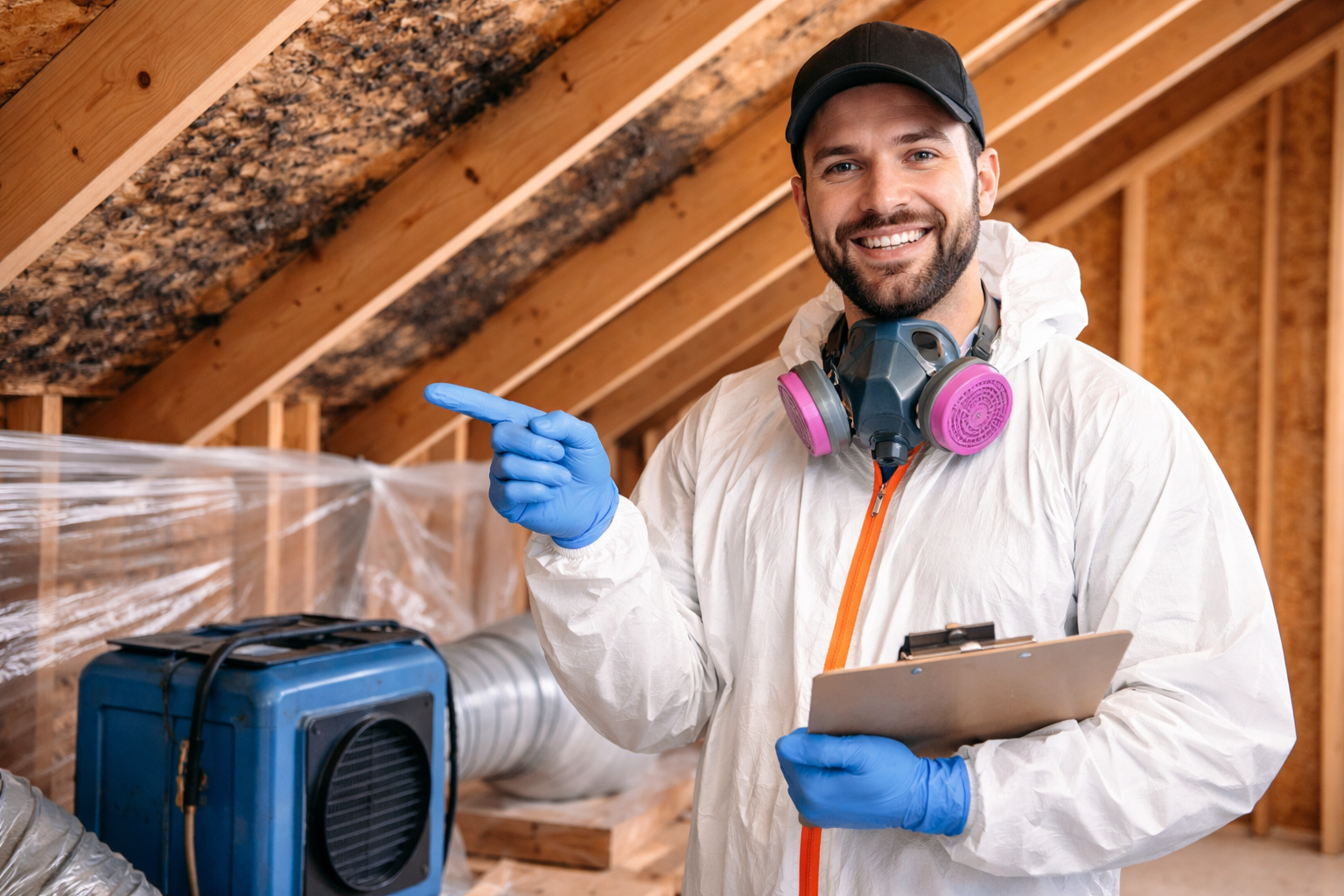
Why Attic mold shows up in Georgia homes?
In Georgia, attic mold usually starts when warm, humid air gets trapped in the attic and condenses on cooler wood. It can happen after roof leaks, blocked soffit vents, bath fan duct problems, or when insulation is uneven. If you’re seeing dark staining on roof decking or smelling a musty odor, the key is to fix the moisture source and clean the attic safely — not just wipe the visible spots.
Attic mold removal & remediation in Georgia
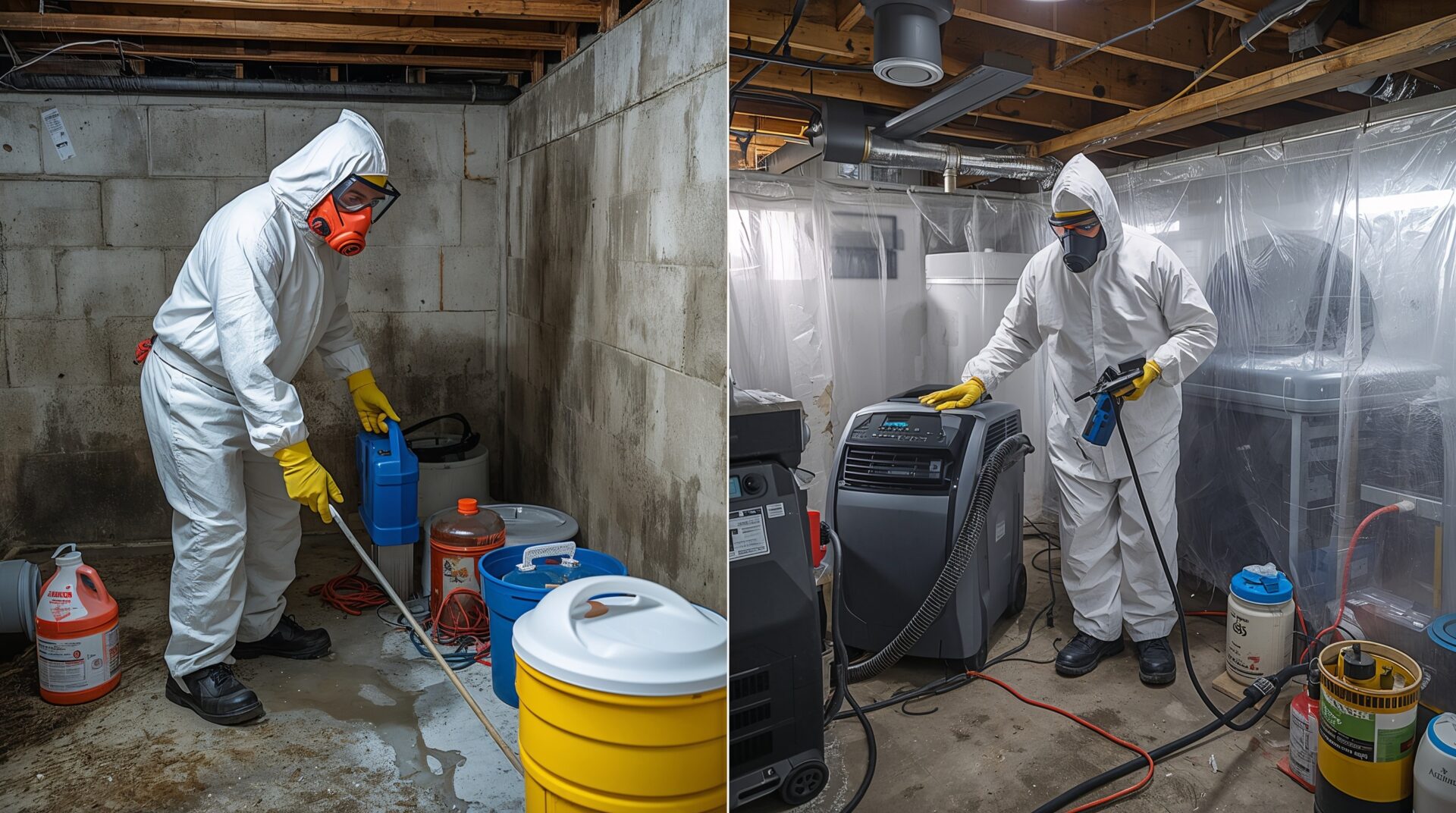
- Roof leaks and flashing gaps that keep decking damp around valleys, chimneys, and vents.
- Poor attic ventilation so humid air can’t escape and condensation forms on rafters and sheathing.
- Bathroom fan venting issues where steam dumps into the attic instead of outside.
- Seasonal humidity swings that raise attic moisture and trigger repeat growth on wood surfaces.
Georgia cities & ZIP codes we serve (sample areas)
We provide attic mold removal and remediation across Georgia — from Metro Atlanta to coastal and South Georgia communities. Tap “Show more” to view additional nearby service areas and ZIP codes.
Decatur, Stone Mountain, Tucker & Lithonia
Attic inspections, moisture diagnosis, and remediation planning for repeated mold on rafters and decking.
Marietta, Smyrna, Kennesaw & Powder Springs
Roof-leak checks + ventilation review to stop attic mold from returning.
Alpharetta, Roswell, Union City & Fairburn
Attic mold cleanup guidance for humid summers, plus insulation/air-sealing tips that help the attic dry.
Athens, Winder, Bethlehem & Auburn
Mold on attic plywood, musty odors, and condensation issues — inspection + remediation steps.
Macon, Warner Robins & Perry
Attic moisture checks after storms or roof leaks, plus safe remediation planning for wood surfaces.
Milledgeville & Hardwick
Attic mold cleanup support for older homes — ventilation review + moisture-source fixes.
Savannah, Pooler & Tybee Island
Coastal humidity can drive attic mold fast — get moisture control + remediation guidance.
Valdosta, Hahira & Lake Park
Attic mold inspection + cleanup planning for humid seasons and repeat staining on rafters.
Douglas, Baxley & Alma
Post-leak attic moisture, staining, and odor issues — inspection + remediation plan.
Stop attic mold early: a moisture inspection + proper remediation plan helps protect your indoor air, prevents wood damage, and reduces the chance of repeat growth in Georgia’s humid climate.
Attic Mold Removal, Cleanup & Remediation Services in Georgia, GA
Georgia’s humidity can push warm, moist air into the attic where it condenses on cooler wood. This often leads to dark staining on decking, musty odors, and repeat growth—especially after roof leaks, bathroom fan vent problems, or poor ventilation. We focus on two things: fix the moisture source and clean the attic safely so the problem doesn’t return.
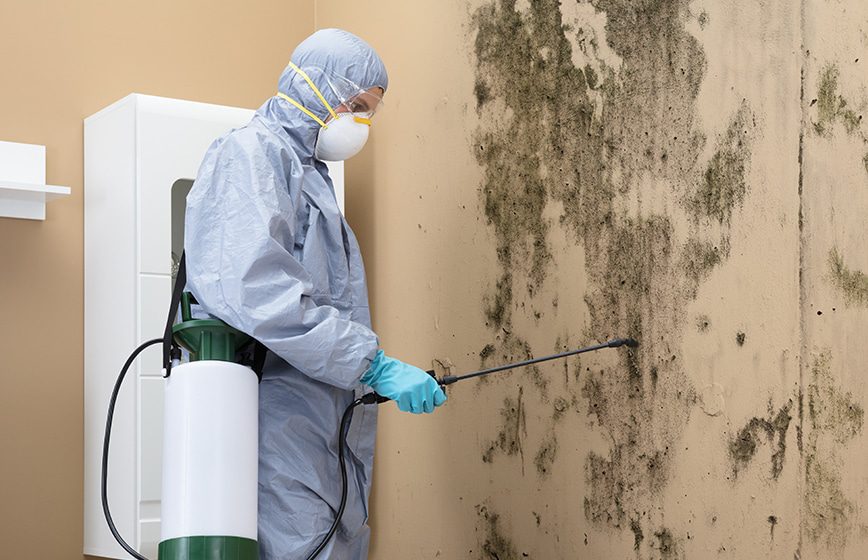
Attic Mold Inspection & Moisture Check
We look for roof-deck staining, damp insulation, condensation marks, and musty odor sources. You’ll get a simple plan that focuses on what’s feeding the mold—leaks, venting, or humidity.
Great first step if you’re unsure what’s causing attic mold
Call for an inspection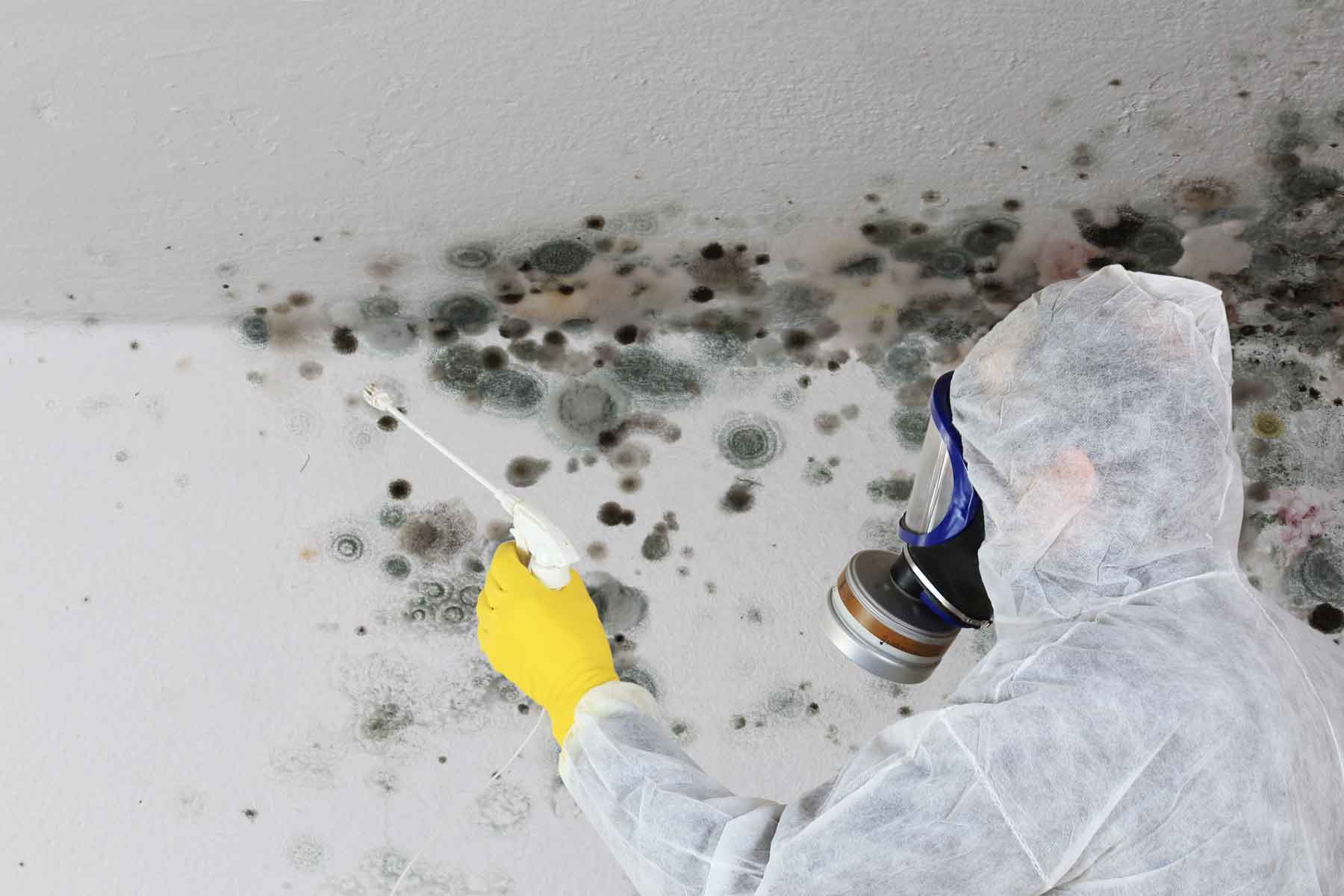
Attic Mold Removal & Containment
When mold is active, the attic needs controlled work—not a quick wipe. We isolate the area when needed and perform targeted cleaning/removal steps to help limit spreading spores into the home.
Recommended for larger areas or repeated attic mold
Schedule removal
Post-Leak Attic Mold Cleanup
A leak that seems “small” can soak decking and insulation over time. We help you identify wet materials, outline safe cleanup steps, and recommend what should be dried, removed, or repaired.
Best for recent leaks, stains after storms, or sudden musty odor
Get leak-related help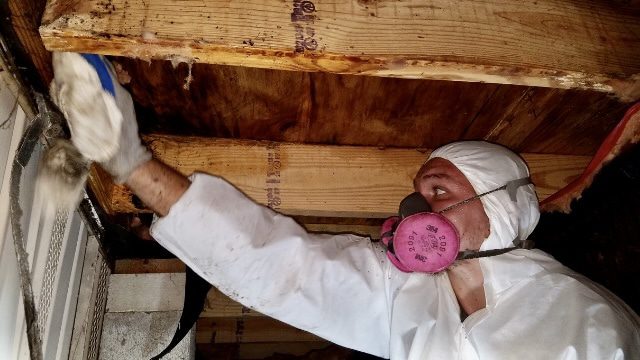
Ventilation & Condensation Mold Fixes
Many Georgia attic mold cases come from warm humid air meeting cooler wood. We review common issues like blocked soffit vents, weak airflow, and uneven insulation that can cause condensation.
Common improvements: airflow balance, vent paths, moisture control
Talk to a specialist
Bathroom Fan Vent Problems
If a bath fan dumps warm steam into the attic instead of venting outside, mold can show up fast. We help identify venting errors and outline the right fix so the attic can dry out after cleanup.
Ideal if mold worsens after showers or during humid weather
Check venting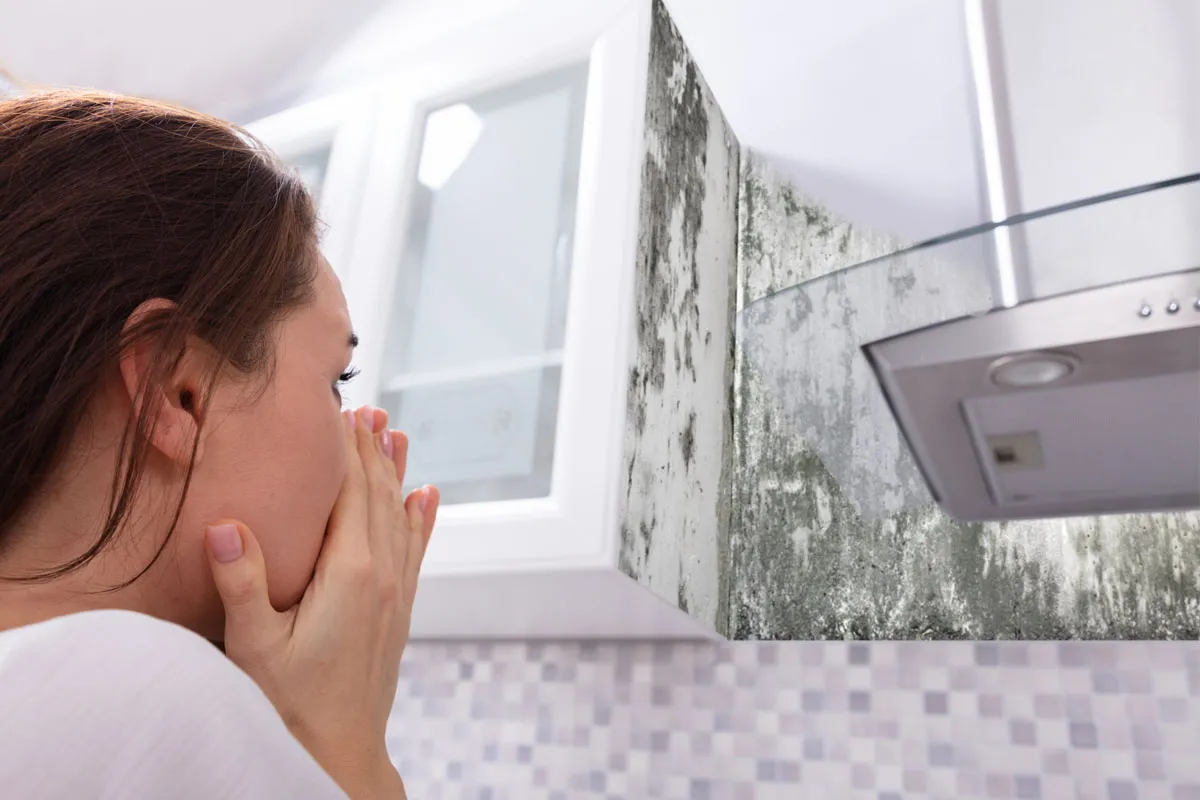
Musty Odor Control & Prevention Plan
Mold cleanup is only half the solution. We guide you on practical prevention steps—humidity control, airflow improvements, and leak-risk checks—to reduce the chance of attic mold returning.
Simple plan tailored for Georgia humidity and seasonal swings
Get a prevention plan
Air Quality Concerns & Next Steps
If you’re noticing persistent odors or irritation, the attic may be contributing. We help you decide the right next step—inspection, moisture fixes, cleanup scope, and what to avoid so it doesn’t spread.
Clear guidance based on your home’s attic condition
Call for guidance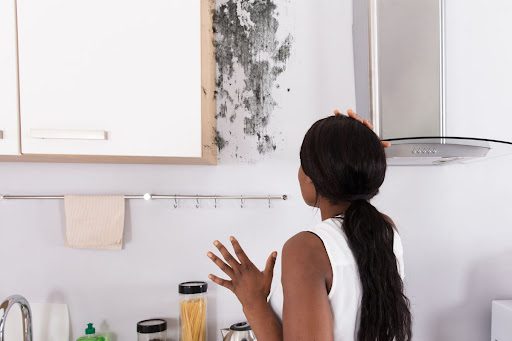
Emergency Attic Mold Help
If moisture is ongoing, mold can spread quickly. For urgent cases, we prioritize the fastest path to stop the water source and set up safe remediation steps.
Best for active leaks, storm damage, or sudden fast growth
Get urgent help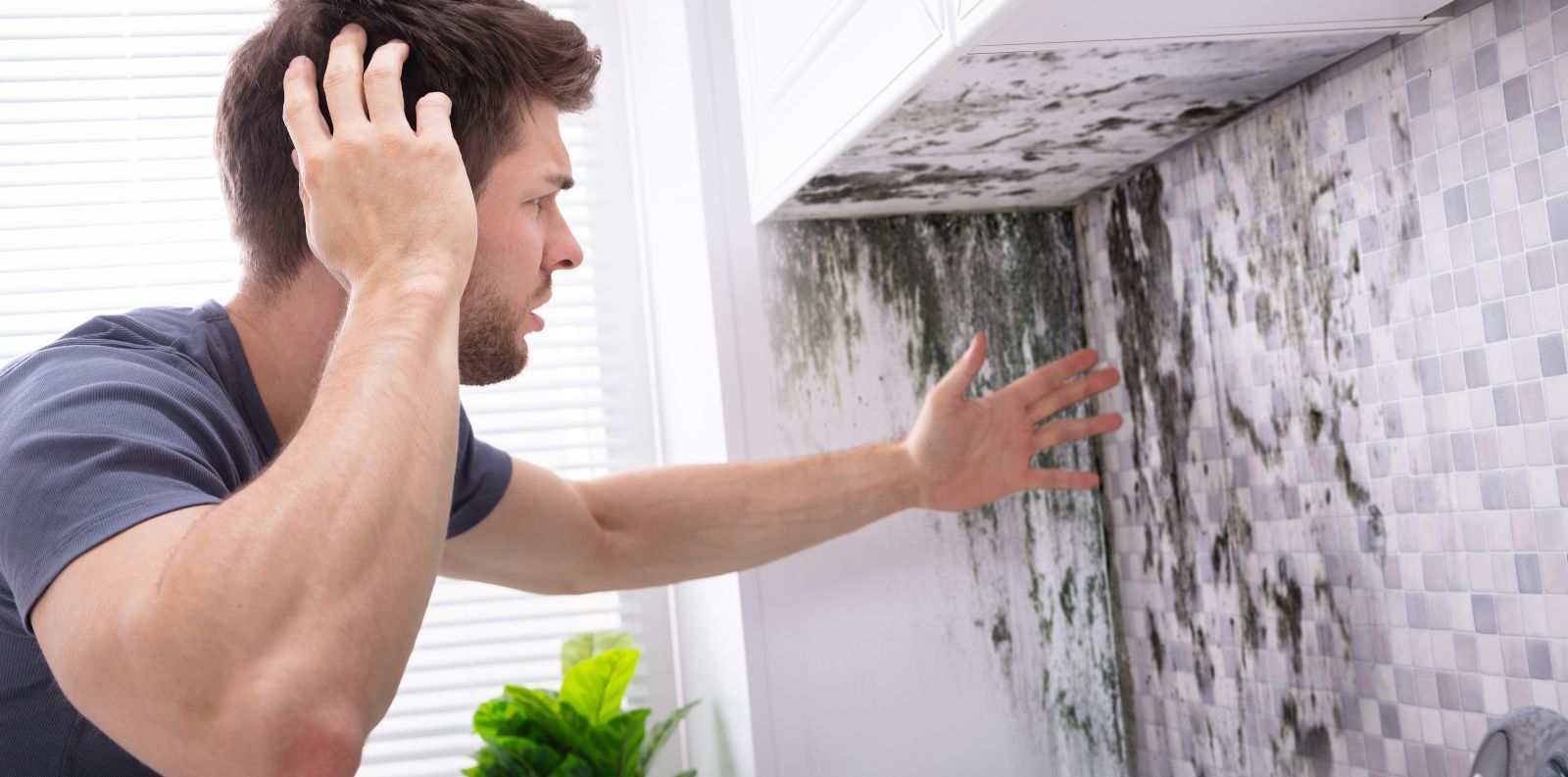
Safe Cleanup Guidance (What to Do / Avoid)
Some small surface spots can be handled carefully, but bigger attic mold needs containment and proper cleaning methods. We help you understand your options and avoid common mistakes that make it worse.
Quick phone guidance to choose the right next step
Talk to us nowOur 7-Step Attic Mold Removal & Remediation Process
Attic mold usually returns if the moisture source isn’t fixed. Our process focuses on finding what’s feeding the mold (leaks, ventilation, condensation, or ducting issues), then cleaning the attic safely and helping you prevent repeat growth.

-
Step 1: Call & Quick Attic Mold Review
Tell us your city and what you’re noticing (dark staining, musty odor, roof leak history, recent storms). We ask a few quick questions and help you choose the right next step. -
Step 2: Attic Inspection & Moisture Source Check
We inspect roof decking, rafters, insulation, and common problem areas around vents, chimneys, and roof penetrations. The goal is to locate moisture sources such as leaks, condensation, or poor ventilation. -
Step 3: Safety Plan & Work-Area Setup
Attics are tight spaces and can spread dust easily. If needed, we set up containment and a clear safety plan to reduce the chance of spores moving into living areas. -
Step 4: Remove Heavily Affected Materials (When Needed)
If insulation or other materials are too contaminated or can’t be dried properly, removal may be the safest option. We handle this carefully to avoid spreading debris and spores. -
Step 5: Attic Mold Cleanup & Surface Treatment
We clean mold from wood surfaces using the right method for the material and severity. The goal is to remove visible growth and reduce contamination—without damaging the attic structure. -
Step 6: Drying, Ventilation & Moisture Control Fixes
This is the step that prevents repeat mold. We guide you on fixing roof leaks, improving attic airflow, correcting bathroom fan ducting, sealing air leaks, and reducing humidity where needed. -
Step 7: Final Check, Clean-Up & Prevention Tips
We do a final walkthrough, tidy the work area, and share simple prevention habits like monitoring attic ventilation, watching for roof leak signs, and controlling indoor moisture during humid seasons.
Our Service Areas Across Georgia, GA
Need attic mold help in South Georgia? Our partner crews support homeowners and rentals with attic mold removal, cleanup, and moisture-control guidance in the locations below. Search your city or ZIP to find your local service page and next steps.
Attic Mold Inspection, Cleanup & Remediation Across Georgia
Fast, local help for homes and rentals across Georgia—especially after roof leaks, humid summers, HVAC/duct issues, or storm-driven moisture that feeds attic mold growth.
- ⚡ Same-week inspection scheduling in many areas
- 🔍 Moisture checks to find what’s feeding attic mold
- 🏠 Attic-focused assessment (sheathing, rafters, insulation)
- 🧱 Containment setup to help limit spore spread
- 🧤 Safe cleanup guidance for affected materials
- 🌬️ Ventilation + airflow improvement recommendations
- 🧊 Bathroom fan / dryer vent routing checks (common causes)
- 🪟 Soffit + ridge vent evaluation (when airflow is weak)
- 💧 Roof leak indicators + stain pattern review
- 🧪 Musty odor troubleshooting & prevention checklist
- 📸 Photo documentation options when helpful
- 📑 Clear remediation plan (what to do first, next, last)
- 🕒 Priority guidance for active leaks & rapid growth
- 🧹 Practical steps to reduce re-growth risk
- 🧰 Humidity control tips (dehumidifiers, air sealing, fans)
- 🤝 Respectful, no-pressure guidance on your options
- 🏘️ Homeowner + landlord-friendly action plans
- ✅ Final walkthrough guidance + maintenance reminders
Serving Georgia communities statewide—from Metro Atlanta and North Georgia to the Coastal Plain and South Georgia. If you’re noticing a musty smell, dark spotting on roof decking, or insulation that feels damp, we’ll help you identify the moisture source and choose the safest cleanup or remediation path—without guesswork.

“We had a roof leak we didn’t notice until the attic started smelling musty. They explained what was wet, what could be cleaned vs. replaced, and how to improve ventilation so it doesn’t come back.”

“After a humid stretch, we saw dark spots on the attic sheathing. They helped us understand moisture sources, recommended airflow fixes, and gave us a clean step-by-step plan that actually made sense.”

“No scare tactics—just clear guidance. They checked ventilation, pointed out where bathroom exhaust was dumping into the attic, and explained how to prevent repeat mold during Georgia’s humid seasons.”
Georgia Attic Mold Removal Coverage & Common Questions
See where we serve across Georgia, what to do first after roof leaks or humidity-driven attic moisture, and get clear answers to the most common attic mold inspection, cleanup, and remediation questions.
Georgia Attic Mold Service Area Map
Fast support statewide — including Metro Atlanta, North Georgia, Central Georgia, the Coast, and South Georgia communities near your ZIP list.
Active ZIP Coverage
Hundreds of ZIPs
From metro neighborhoods to small towns across many Georgia counties.
Response Support
Same-Day / Next-Day
Priority guidance for active roof leaks, wet insulation, and fast-spreading attic growth.
Plan & Documentation
Step-by-Step
Simple “what to do first” guidance, photos when helpful, and prevention steps for Georgia humidity.
Georgia Cities & ZIP Codes We Serve Regularly
Based on your nearby list, coverage includes many communities such as: Atlanta (30320), Marietta (30006), Smyrna (30080), Decatur (30030), Stone Mountain (30083), Savannah (31401), Pooler (31322), Brunswick (31520), Macon (31201), Warner Robins (31088), Augusta (30907), Athens (30601), Gainesville (30501), Valdosta (31601), Columbus (31901), Albany (31701), Dalton (30719), Rome (30161), plus hundreds more ZIPs across Georgia.
If your ZIP is on your sheet (or you’re in a neighboring town), call and we’ll confirm coverage fast.
Tip: Attic mold coverage often includes nearby towns around each listed ZIP—especially when the issue is tied to a regional storm event or shared humidity patterns.
Georgia Attic Mold Removal FAQs
Plain-English answers for Georgia homeowners, renters, landlords, and property managers dealing with roof leaks, attic ventilation problems, wet insulation, HVAC condensation, and musty odors.
Do you service my city or ZIP code in Georgia?
Very likely. Your coverage list includes many Georgia ZIPs across a wide range of counties (for example: Atlanta 30320, Marietta 30006, Savannah 31401, Macon 31201, Augusta 30907, Valdosta 31601, Dalton 30719). If you don’t see your ZIP, call anyway—nearby towns around listed ZIPs are commonly included.
What should I do first if I see attic mold or smell a musty odor?
First, address the moisture source: roof leak, condensation, bathroom fan venting into the attic, blocked soffit vents, or high humidity with poor airflow. Avoid disturbing the growth (scrubbing can spread spores), keep the attic as dry as possible, and get guidance on the safest next step—light surface cleanup vs. full remediation— based on where the mold is and what materials are affected.
What causes attic mold in Georgia homes?
Common Georgia triggers include small roof leaks, storm-driven rain intrusion, humid outside air trapped in poorly ventilated attics, AC/duct sweating, and exhaust fans (bathroom/dryer) dumping moist air into the attic. Wet insulation and dark spotting on roof decking are frequent early warning signs.
Do I need mold testing before attic mold remediation?
Not always. Visible growth plus a known moisture issue can be enough to act. Testing can help when the source is unclear, symptoms are strong but growth appears hidden, or documentation is needed for a dispute or claim. The priority is stopping moisture, then choosing the correct cleanup/remediation approach for the affected materials.
How does professional attic mold remediation typically work?
A typical process includes: attic inspection + moisture detection, containment (when needed), removal or treatment of affected materials (and safe handling of contaminated insulation), cleaning of nearby surfaces, drying/dehumidification guidance, and a prevention plan— ventilation improvements, air sealing, exhaust vent corrections, and leak watch points.
Can you help prevent attic mold from coming back?
Yes—mold returns when moisture remains. We focus on root-cause prevention: confirming bathroom/dryer vents route outside, improving soffit/ridge airflow, reducing condensation on ductwork, managing humidity targets, and catching roof leaks early before insulation stays wet long enough to trigger growth.
Ready to Remove Attic Mold in Georgia?
If you’re seeing dark spotting on attic rafters or roof decking, noticing wet insulation, or smelling a persistent musty odor—Georgia attic mold can spread quickly when humidity, roof leaks, or ventilation problems aren’t fixed. Our Georgia partner teams help you identify the moisture source, choose the safest cleanup or remediation path, and reduce the risk of re-growth with prevention-first guidance.
- ⚡ Same-day & next-day support where available across Georgia
- 🛡️ Trained, insured attic mold cleanup & remediation partners
- 📍 Serving Georgia communities statewide — including Metro Atlanta (Atlanta 30320, Marietta 30006, Smyrna 30080, Decatur 30030), Coastal Georgia (Savannah 31401, Pooler 31322, Brunswick 31520), Central Georgia (Macon 31201, Warner Robins 31088), Northeast Georgia (Athens 30601, Gainesville 30501), and South Georgia (Valdosta 31601, Albany 31701) — plus nearby ZIPs.
- 📑 Simple action plan, moisture checks & practical prevention guidance (venting, airflow, leak watch points)
- ✔️ Respectful crews, clean work areas & straightforward communication — no scare tactics
Attic Mold Help Across Georgia
Speak with a local attic mold specialist now:
📞 Call (833) 642-3180Get guidance on the safest next step for your home — attic inspection, cleanup vs. remediation, and moisture control to help prevent mold from returning.